Ductless mini-split service referrals are not available here. For that equipment, contact a suitable specialist independently.
Capture the operating context
Note whether the system was heating or cooling, which indoor units were operating and how long it ran before stopping. These details help a specialist reproduce the complaint without relying on the code alone.
Keep checks at the user-maintenance level
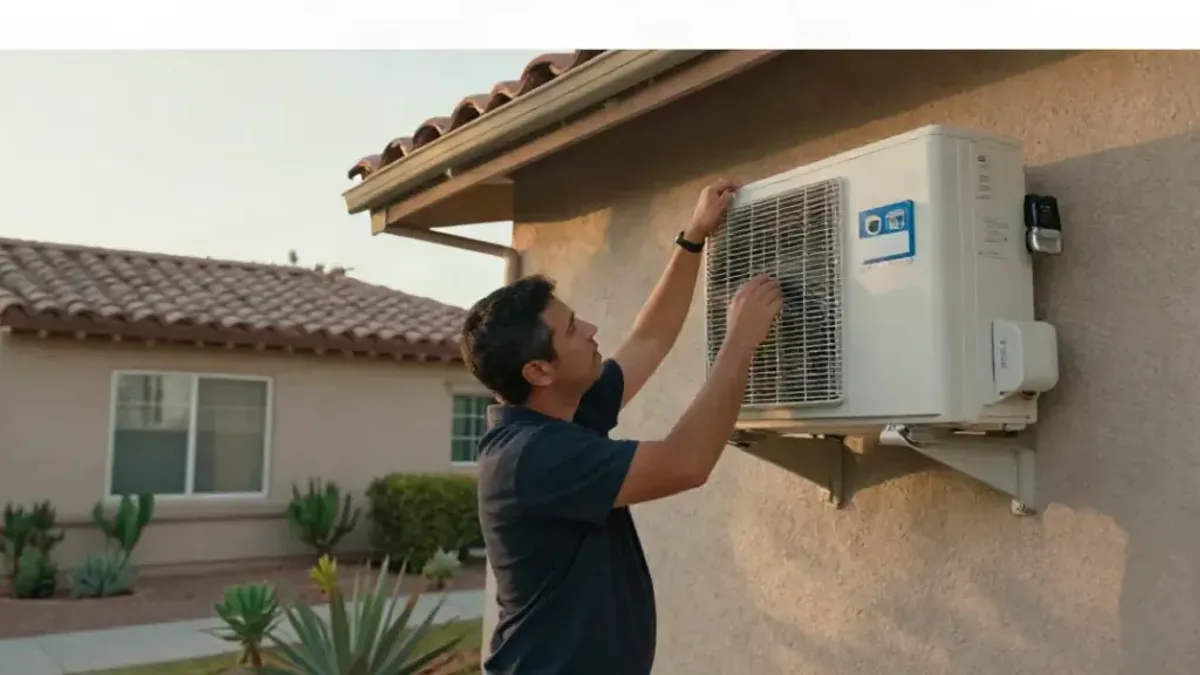
You can note visible obstructions and inspect an accessible filter as directed by the user manual. Do not reach into the outdoor unit, open electrical panels or try to test refrigerant pressures.
A recurring code needs an explanation
If a code returns, record when it returns rather than repeatedly resetting the system. Ask what operating conditions or measurements will be evaluated and how the provider will verify the result of any repair.
Keep the repair conversation specific
A useful explanation connects the observations to the recommended work. Ask whether the proposal is diagnostic only or includes a repair, and whether additional parts or visits would require separate approval.
What to ask during P6 fault finding
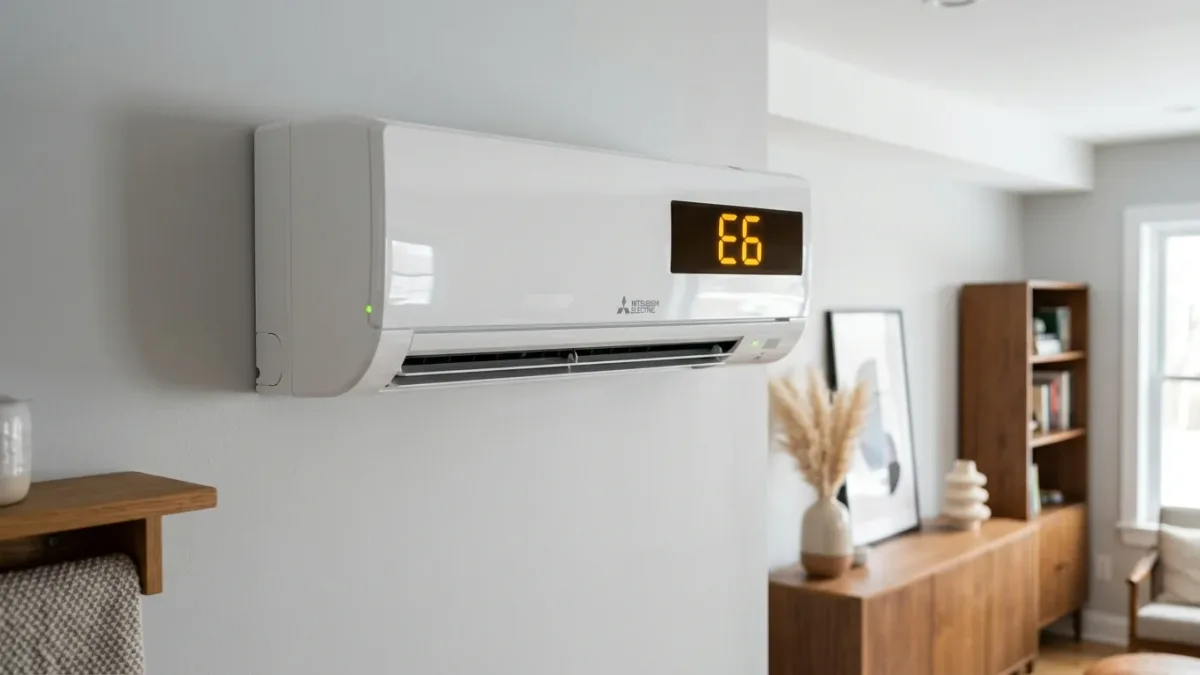
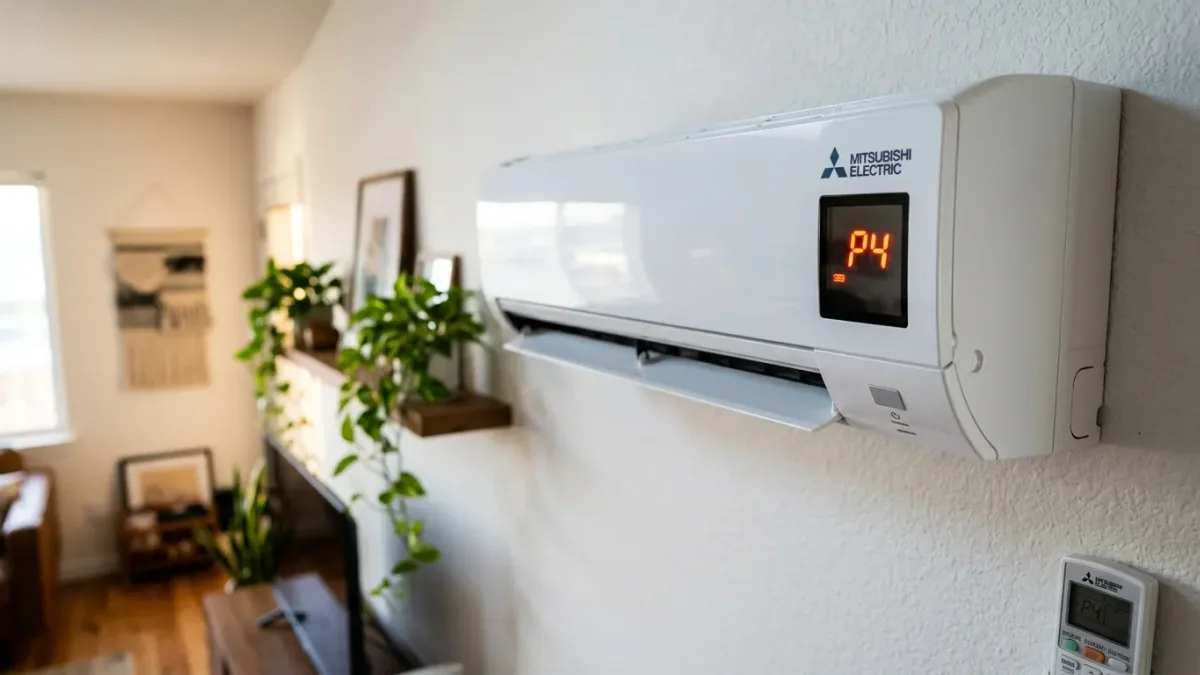
A code tells the specialist where to start in the applicable diagnostic procedure; it is not a substitute for checking the equipment. Ask which model-specific information they are using and which observations or measurements support the proposed cause.
The operating mode and the timing of the shutdown can be useful. Explain whether the indication appears at startup or after the equipment has run for a while. If several indoor units share a system, identify which were operating when you noticed the code.
If a repair is recommended, ask how the specialist will verify operation under the relevant conditions. For an intermittent complaint, agree on what information to collect if the symptom returns and who to contact for follow-up.
Compare the observations.
A clear description is more useful than a guessed repair. Use this table to organize what you can observe safely before contacting a specialist.
| Observation | Details to record | Do not assume |
|---|---|---|
| Code appears at startup | Mode, active units and exact startup behavior | That a compressor has failed |
| Code appears after operation | Approximate operating period and room conditions | That a reset has repaired the cause |
| Code appears intermittently | Dates, modes and observations from each occurrence | That every occurrence has an identical cause |
Repair costs depend on the diagnosis.
A P6 display alone is not enough to estimate repair cost. Diagnostic time, access and the work that is actually required determine the proposal. Ask whether a quoted amount includes diagnosis, parts, labor and a return visit. Request approval steps for any work discovered after the initial assessment.
Before approving a proposal
- Ask for the findings and the proposed work in writing.
- Confirm which charges apply if you decline the repair.
- Check whether parts, labor and any further visit are included.
- Ask which provider-specific terms apply if the symptom returns.
Keep care and service records together.
Avoid making repeated resets your operating routine. Keep accessible filters and user-maintainable areas in the condition described by the manual, and record recurring changes in performance. Do not attempt refrigerant pressure checks or internal electrical testing yourself.
Frequently asked questions.
No. Match the code to the model-specific documentation and have the relevant checks performed. A display does not establish one universal repair.
Heating and cooling involve different operating conditions. Recording the mode helps a specialist understand the circumstances in which the indication appeared.
Follow the equipment’s operating instructions. Do not keep resetting a system that repeatedly stops or bypass a protection control to make it run.
Choose the right next step.
For ductless equipment, use the manufacturer’s model-specific instructions and contact an appropriate specialist independently. A general guide cannot establish which repair your system needs.
If your request concerns a separate conventional system, read our air conditioning repair page. The Poway HVAC referral service accepts conventional AC and furnace requests only. Visit the locations hub to prepare an address-specific inquiry.
Explore eligible HVAC services ↗