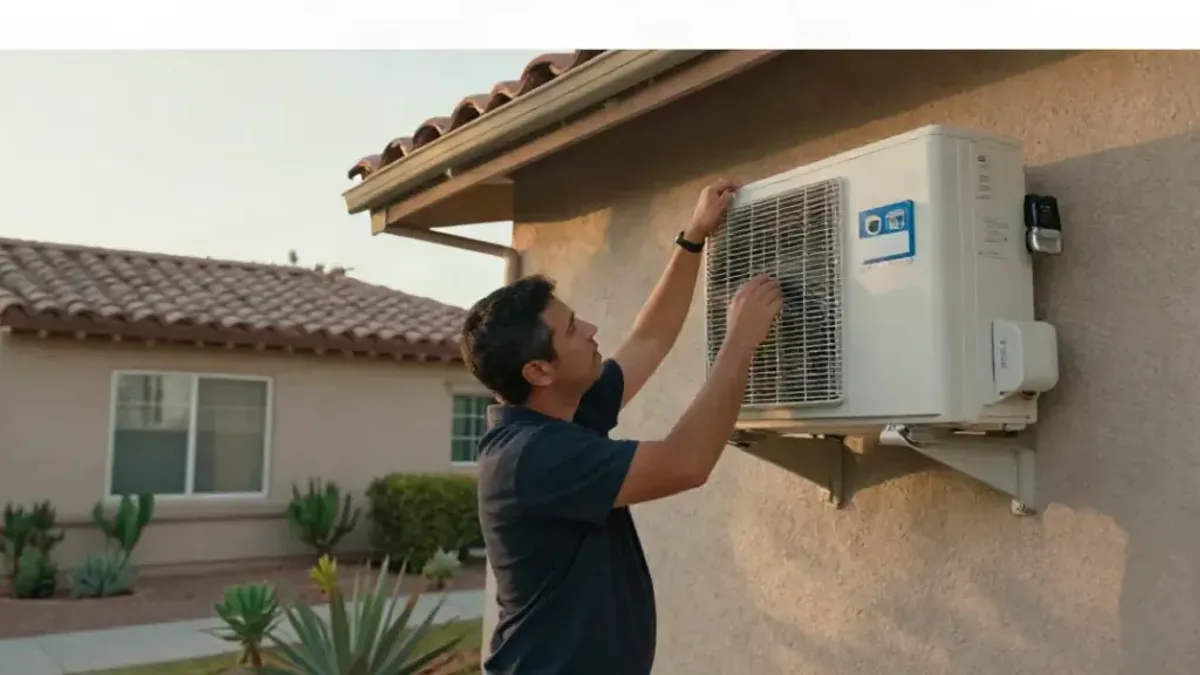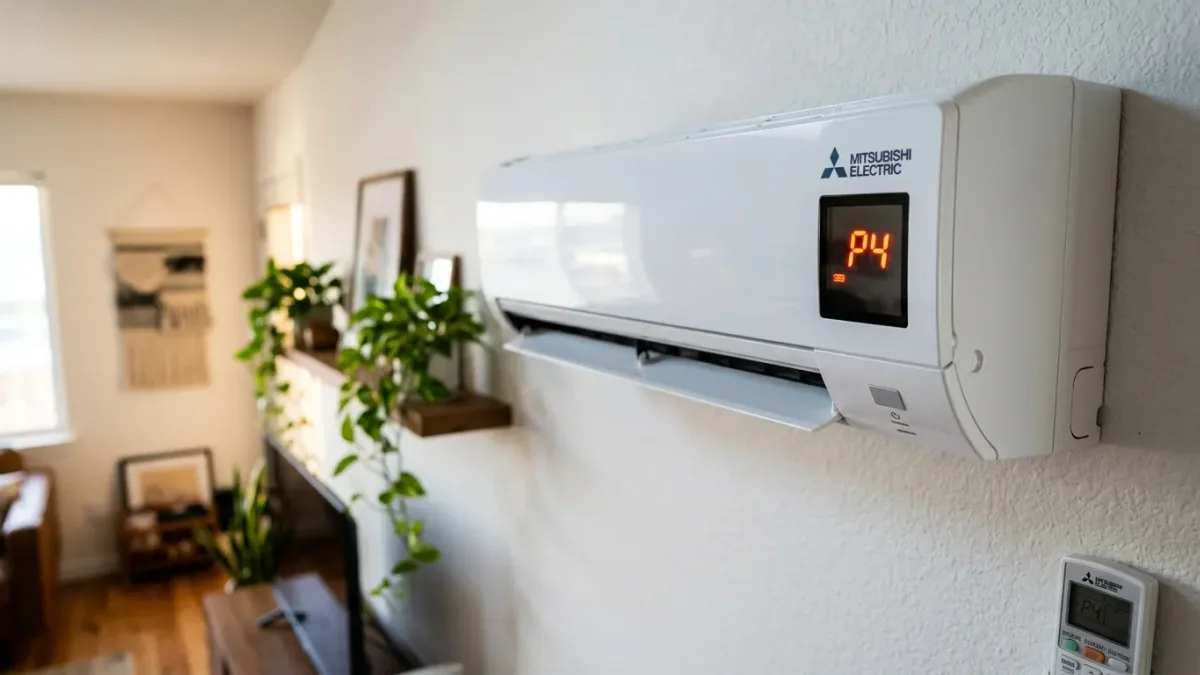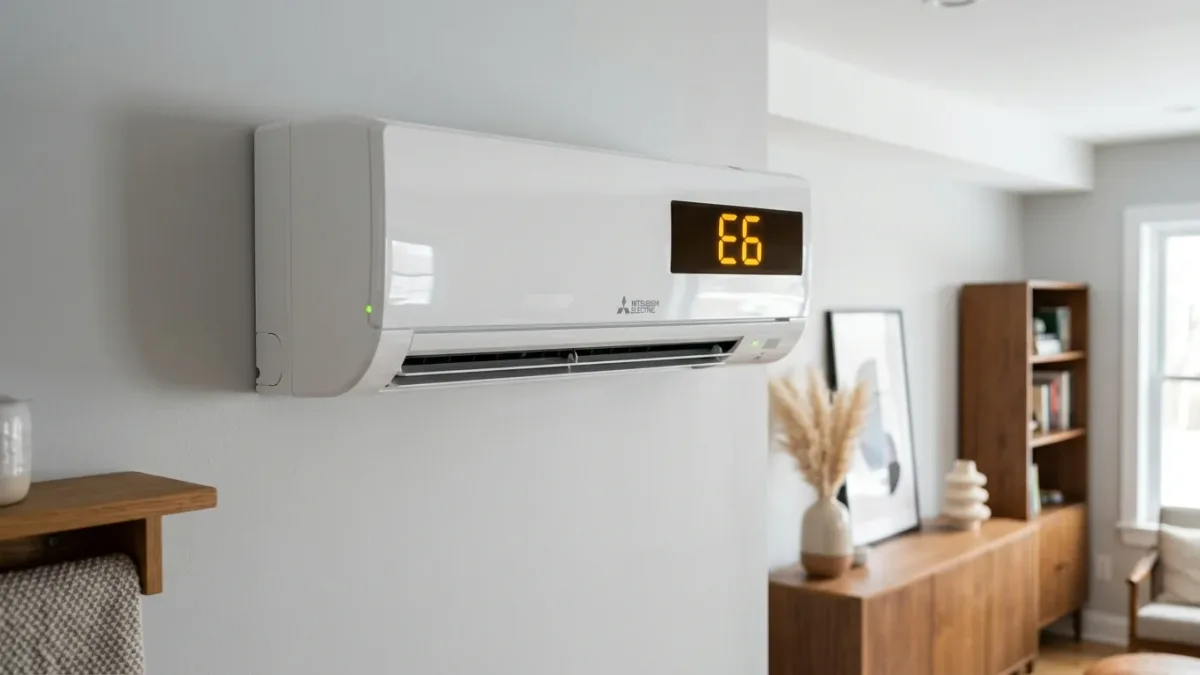
Ductless mini-split service referrals are not available here. For that equipment, contact a suitable specialist independently.
Identify the equipment and controller
Record the indoor and outdoor model numbers if they are visible without opening the equipment. Note the controller model too. Brand name alone may not identify the applicable fault table.
Record the whole pattern
Describe the light color, which indicator is blinking, the number of flashes between pauses and any message on the controller. A short video can help a specialist see the sequence without relying on memory.
Avoid erasing the clues
Repeated resets can remove the displayed symptom without resolving its cause. Follow the operating manual and do not bypass switches or protection controls. Stop using equipment with visible electrical damage or water near electrical components.
Share observations rather than a guessed repair
Tell the specialist whether the unit heats or cools, which zones are affected and what changed before the lights appeared. Ask them to confirm the interpretation using the exact model documentation.
Turn a blinking light into useful information
Describe the complete sequence, including pauses and whether multiple indicators flash together or alternate. A statement such as “the green light blinks” leaves out details that can matter. A photo of the controller and a short video of the unit are often easier to share than a guessed code.
The user manual and a service manual may describe different levels of information. Follow only the checks intended for the equipment user. A specialist can use the appropriate technical documentation and testing procedures to investigate the fault.
If the display changes after a normal operating command, record both messages and the sequence in which they appeared. Do not repeatedly interrupt power just to make the light disappear; a cleared display does not establish that the underlying issue has been resolved.
Compare the observations.
A clear description is more useful than a guessed repair. Use this table to organize what you can observe safely before contacting a specialist.
| Observation | Details to record | Do not assume |
|---|---|---|
| One indicator flashes | Indicator label, color and pause between flashes | That every brand uses the same flash count |
| Several indicators flash | Whether they flash together or in sequence | That a board must be replaced |
| A controller also shows a code | Exact characters and controller model | That a light guide replaces the model manual |
Repair costs depend on the diagnosis.
A flash count does not identify a repair price. Ask the specialist whether the visit covers diagnosis only, how findings will be communicated and how a proposed repair will be priced. A part should not be ordered simply because a generic online table associates it with a similar light pattern.
Before approving a proposal
- Ask for the findings and the proposed work in writing.
- Confirm which charges apply if you decline the repair.
- Check whether parts, labor and any further visit are included.
- Ask which provider-specific terms apply if the symptom returns.
Keep care and service records together.
Keep a simple equipment record with the model numbers, controller details and past service dates. When a new light pattern appears, add the date, operating mode and observed behavior. That record can make a later conversation more precise without encouraging you to open equipment or attempt electrical tests.
Frequently asked questions.
Do not assume so. Check the exact equipment and controller instructions; a color or flash count by itself is not a universal diagnosis.
If you can do so safely without opening the equipment, a short video can preserve the flash sequence and pauses for a specialist to review.
Not necessarily. Note whether normal operation returns and whether the indication reappears. A specialist should explain how any repair will be verified.
Choose the right next step.
For ductless equipment, use the manufacturer’s model-specific instructions and contact an appropriate specialist independently. A general guide cannot establish which repair your system needs.
If your request concerns a separate conventional system, read our air conditioning repair page. The Poway HVAC referral service accepts conventional AC and furnace requests only. Visit the locations hub to prepare an address-specific inquiry.
Explore eligible HVAC services ↗