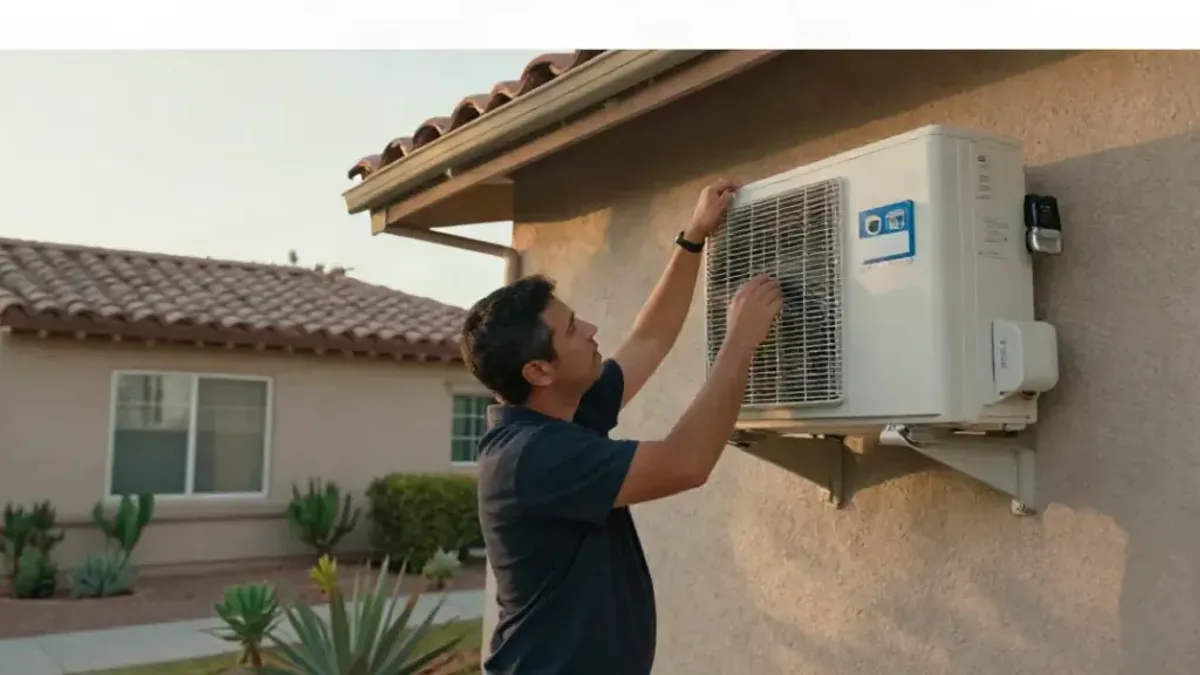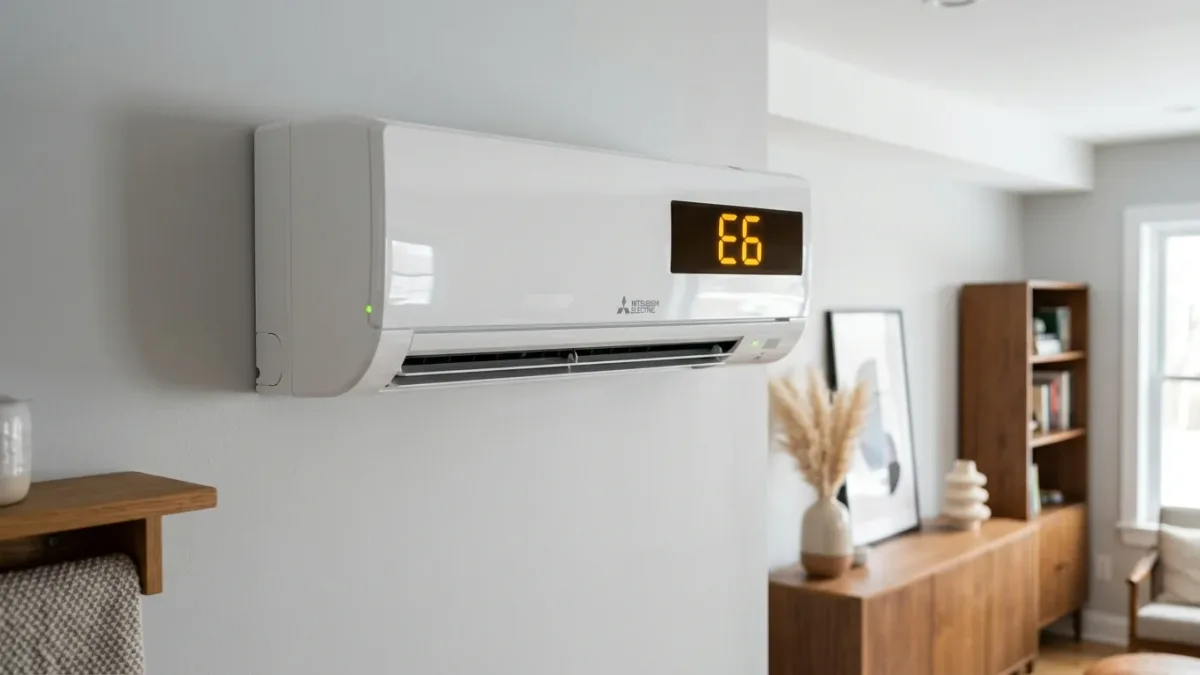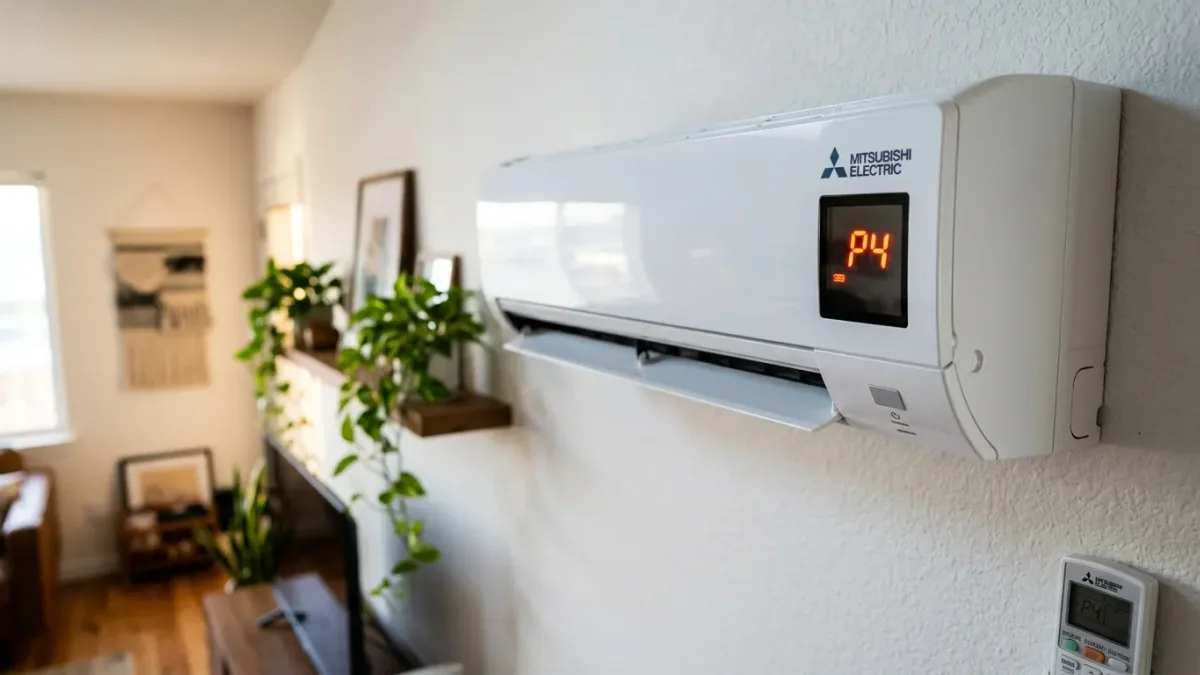
Ductless mini-split service referrals are not available here. For that equipment, contact a suitable specialist independently.
Collect the equipment details
Write down indoor and outdoor model numbers that are safely visible. Include the controller and the number of affected indoor units. Different equipment families may require different fault-finding procedures.
Describe recent changes
Mention recent service, installation changes or a power interruption if one occurred. These are useful clues, not proof of a cause. Keep a photo of the code and any paperwork from previous work.
Leave wiring and electrical testing to a specialist
Do not loosen terminals, swap circuit boards or open an electrical cabinet based on an online code description. Electrical and communication checks require the correct equipment documentation and suitable expertise.
Ask what the next visit covers
Confirm whether the quote covers fault tracing, parts or a follow-up appointment. Ask for the findings and the proposed work in writing so you can understand what is being authorized.
A useful E6 diagnosis goes beyond the code
Give the specialist both the indoor and outdoor model information when safely available. The controller is also part of the equipment context. Ask them to confirm the applicable fault table before proposing wiring or circuit-board work.
Recent service, a power interruption or a change to the installation may be relevant history. Explain what happened and when, without deciding that the event proves the cause. A timeline helps separate established facts from assumptions.
Where a proposal involves electrical checks or component replacement, ask what the testing established and how compatibility will be confirmed. Do not buy a board based on a generic code description; equipment revisions and the actual diagnosis matter.
Compare the observations.
A clear description is more useful than a guessed repair. Use this table to organize what you can observe safely before contacting a specialist.
| Observation | Details to record | Do not assume |
|---|---|---|
| Code after recent work | What was changed and the service paperwork | That one particular wire was installed incorrectly |
| Code after a power interruption | Timing and whether other equipment was affected | That a circuit board must have failed |
| Only some indoor units affected | Which units operate and which display a message | That all equipment needs replacement |
Repair costs depend on the diagnosis.
An E6 indication does not establish a board-replacement price or guarantee that a board is required. Diagnostic work, access and the confirmed cause determine the scope. Clarify which tasks the first visit covers, whether parts need to be sourced and whether further visits would be charged separately.
Before approving a proposal
- Ask for the findings and the proposed work in writing.
- Confirm which charges apply if you decline the repair.
- Check whether parts, labor and any further visit are included.
- Ask which provider-specific terms apply if the symptom returns.
Keep care and service records together.
Keep installation and service paperwork, especially records of changes made before the indication began. Avoid opening cabinets, moving wiring or swapping components. If the code appears again, preserve the exact message and operating context for the specialist rather than erasing the pattern with repeated resets.
Frequently asked questions.
No. Do not select a component from the code alone. A specialist should confirm the model-specific meaning and investigate the relevant system before recommending replacement.
Do not open electrical cabinets or loosen terminals based on an online guide. Leave internal electrical and communication testing to a suitable specialist.
Record the exact code, equipment models, affected units and recent changes. Keep a photo of the display and any recent service paperwork if available.
Choose the right next step.
For ductless equipment, use the manufacturer’s model-specific instructions and contact an appropriate specialist independently. A general guide cannot establish which repair your system needs.
If your request concerns a separate conventional system, read our air conditioning repair page. The Poway HVAC referral service accepts conventional AC and furnace requests only. Visit the locations hub to prepare an address-specific inquiry.
Explore eligible HVAC services ↗